Polish Mushroom Season: A Warsaw Guide to Grzybobranie
Late August to mid-October is Polish mushroom season, and Warsaw goes a little wild. A guide to the species worth knowing, the dishes to order, where to find them in the city, and why Poles take grzybobranie so seriously.
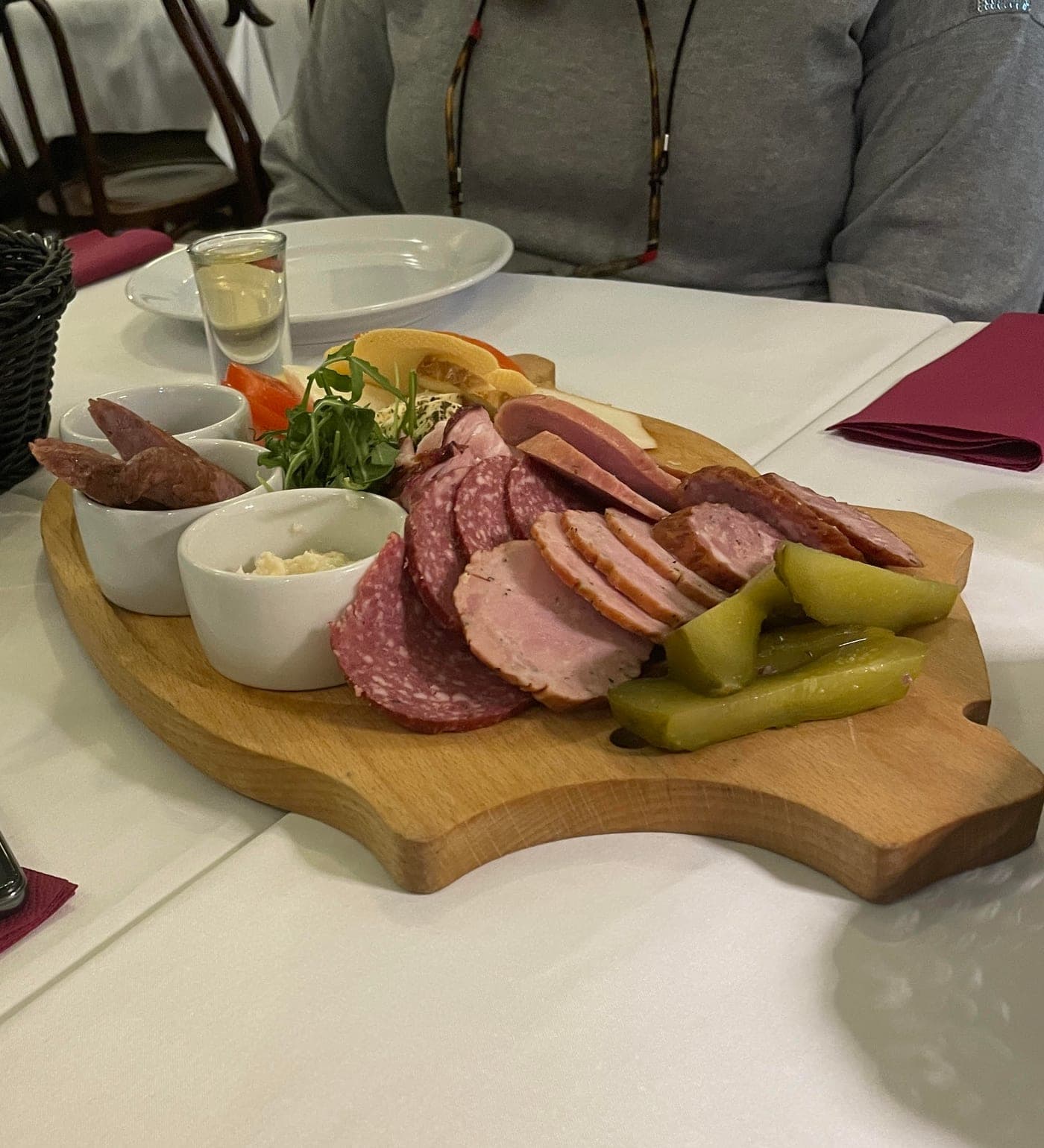
For most of the year Poles are an ordinary European country. Then late August arrives, the first cool mornings come, and the national mood shifts. Half the office disappears on Sunday mornings. The car parks near every forest are full by 7am. The country has gone into grzybobranie, mushroom-hunting season, and it is the closest thing Poland has to a national sport. If you visit Warsaw between late August and mid-October, you’ll notice mushrooms on every menu, in every market, and the smell of frying butter and porcini drifting out of half the restaurants in the city. In season, our Warsaw food tour leans into whatever the forests are giving that week.
Why mushrooms matter so much here
Poland is one of the most heavily forested countries in Europe. Roughly a third of the country is woodland, and unlike most of the EU, public foraging is legal and culturally enormous. Picking mushrooms is something Polish kids learn before they learn to ride a bike. Every Polish family has a mushroom spot. Nobody will tell you where it is.
The result is a cuisine where wild mushrooms are not a luxury ingredient but a household staple. Dried porcini in a winter soup, fresh chanterelles fried in butter, pickled honey mushrooms on the Christmas Eve table. If you eat Polish food in autumn and don’t encounter mushrooms in at least three different forms, someone’s cutting corners.
The mushrooms worth knowing
- Borowik (porcini, Boletus edulis). The king of the Polish forest. Meaty, deeply savory, the basis of most serious mushroom dishes. Fresh in autumn, dried year-round.
- Kurka (chanterelle). Yellow, trumpet-shaped, slightly peppery. The summer mushroom, appearing from late June. Best fried in butter with onions, served on a slice of dark bread.
- Maślak (slippery jack). Brown-capped, slimy (the name means "buttery"), peels easily. Less prestigious than porcini but excellent pickled or in a creamy sauce over pierogi.
- Podgrzybek (bay bolete). The honest workhorse: smaller than porcini, dark cap, mild flavor, abundant in Polish pine forests. Most Polish autumn mushroom dishes are actually made with podgrzybek.
- Opieńka (honey mushroom). Grows in big golden clusters on tree stumps. Must be properly cooked (mildly poisonous raw). Often pickled, then served as a winter appetizer.
Polish mushroom dishes worth ordering
Zupa grzybowa (wild mushroom soup)
Cream-based mushroom soup, often with a hit of porcini and a spoonful of sour cream. Some restaurants pour it inside a bread bowl. The version made with dried porcini, rehydrated and simmered for hours, is one of the most satisfying things in Polish cuisine.
Pierogi z kapustą i grzybami
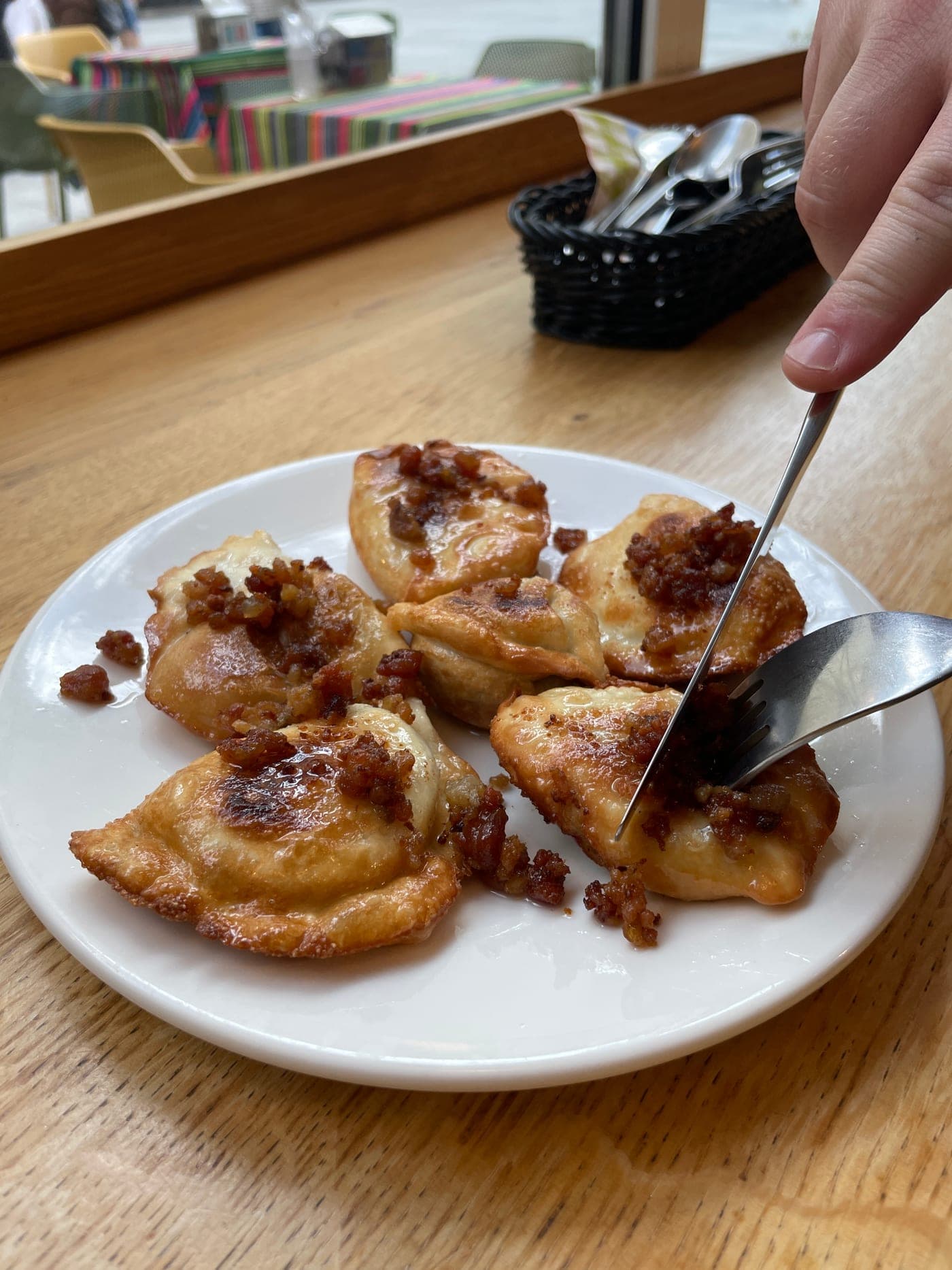
Pierogi filled with sauerkraut and wild mushrooms. This is the Christmas Eve pierogi, available year-round in good kitchens, and one of the most distinctive flavors in Polish food: tangy, earthy, slightly sweet. Order it whenever you see it. We talked about it in our pierogi shortlist but in autumn the fresh-mushroom versions get noticeably better.
Kurki w śmietanie (chanterelles in cream)
Pan-fried chanterelles with onion, finished in cream, served over kasza (groats) or buttered potatoes. A summer-into-early-autumn dish, simple and excellent. If you see it on a menu in July or August, order it.
Borowiki w sosie (porcini in sauce)
Fresh porcini, sliced thick, pan-fried with butter and shallots, served in a small skillet with bread. The umami-bomb of Polish autumn cooking. Premium restaurants do it with finesse; village inns do it with quantity.
Where to eat mushroom dishes in Warsaw
Most decent Polish restaurants in Warsaw will run a mushroom menu or specials between September and early October. A few that are reliably good in season:
- Polskie Smaki - several locations across Warsaw, with a serious autumn mushroom card. The porcini soup here is particularly good.
- Aioli - modern Polish, the kind of restaurant that buys fresh mushrooms from foragers and builds dishes around what came in that morning.
- Bar Bambino - even the milk bar runs mushroom pierogi and soup in season, at milk-bar prices. The kind of fast, cheap autumn lunch a Warsaw office worker would have. (Full milk-bar etiquette in our milk bar guide.)
- Hala Mirowska - in September and October, the Saturday morning street market around the hall is the best place to see, smell and buy fresh wild Polish mushrooms. Old ladies sell baskets of borowiki by the kilo. Buy a small bag, ask how to cook them, take it home.
A few practical rules
- Don’t forage on your own without a Pole. Most edible mushrooms in Poland have a poisonous look-alike. Every autumn a few foragers end up in hospital. If a Polish friend invites you mushroom-hunting, say yes. If not, buy from the market, where everything is already vetted.
- Fresh wild mushrooms cook fast. A few minutes in butter is usually enough. Overcooking turns them rubbery.
- Dried mushrooms are not a downgrade. Dried porcini, rehydrated, are arguably better than fresh for soups and stews - the drying concentrates the flavor. Buy a bag at the market to take home; they keep for years.
- Eat them with vodka. The earthiness of wild mushrooms pairs beautifully with a cold rye vodka. Our vodka guide covers the pairings.
Mushrooms on a Warsaw food tour
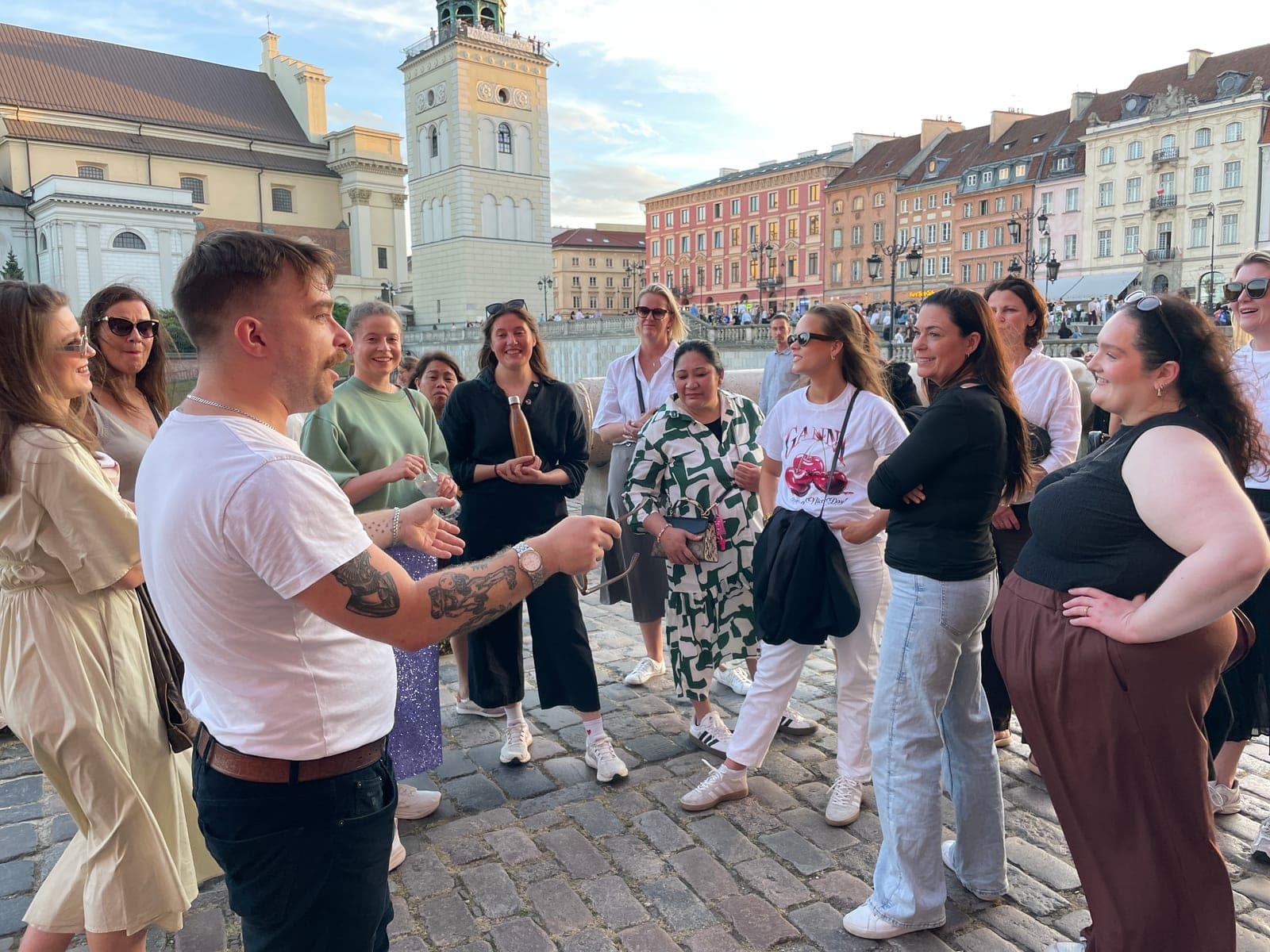
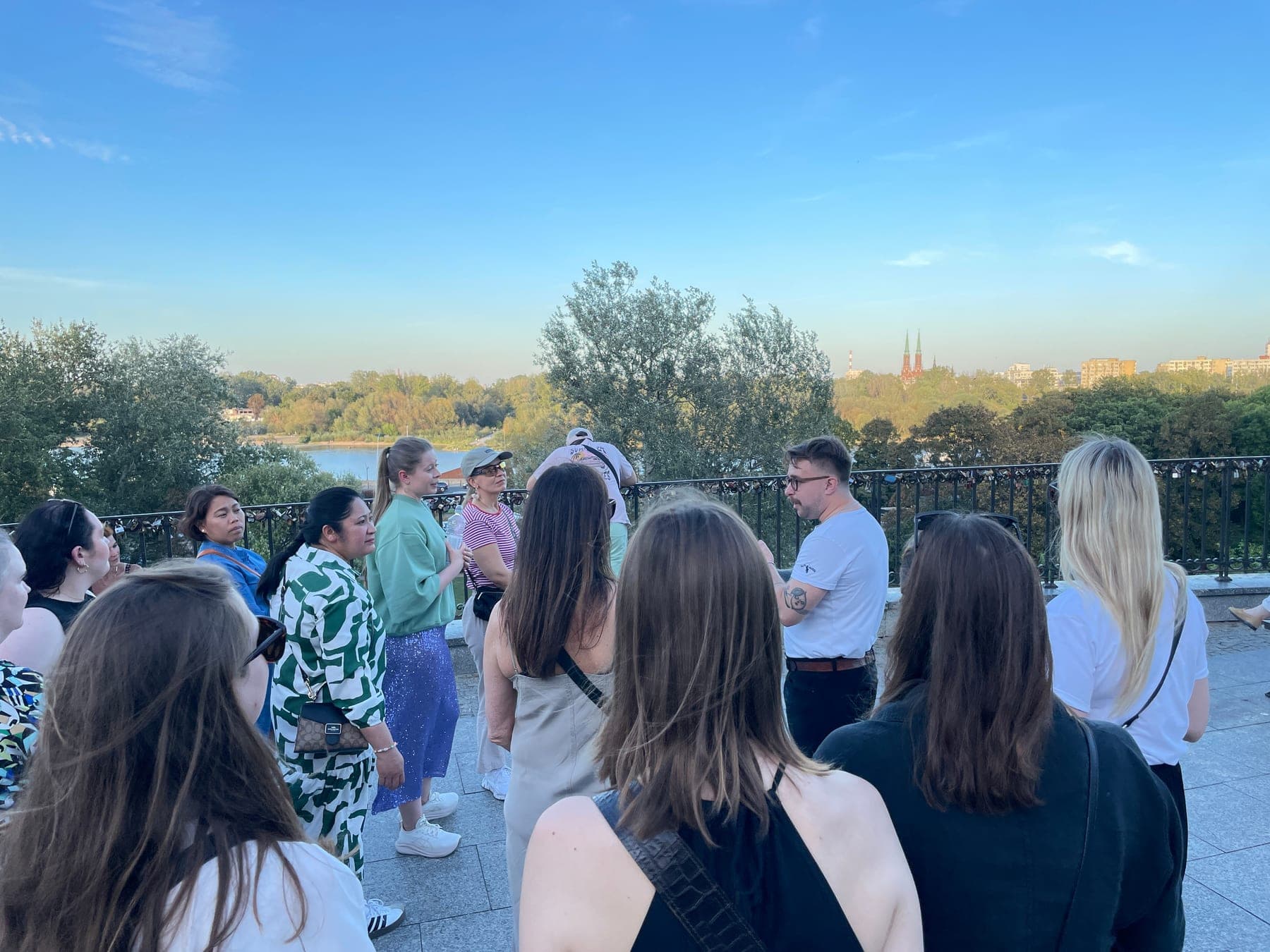
Between late August and early October, our food tour usually features at least one mushroom course - whether that’s a porcini soup, a mushroom pierogi flight, or a tasting of pickled wild mushrooms at one of our zakąski stops. We schedule the route around what the kitchens are doing that week, so autumn tours end up tasting noticeably different from the rest of the year. If you’re in Warsaw in mushroom season, build the tour into your weekend - it’s the easiest way to taste through what’s in the forests right now without having to learn the difference between a podgrzybek and a goryczak yourself.

Guide and storyteller behind Tasty Trails' food and Praga tours. Equal parts historian and eater, happiest somewhere between a milk bar and a vodka museum.
Hungry yet?
Eat your way through this list with someone who knows the city. Small groups, real spots, no tourist traps.