Eating in Warsaw’s Old Town Without Getting Ripped Off
A Warsaw guide’s honest map of the Old Town food scene: the tourist traps to avoid, the few genuinely good restaurants inside the walls, and the five-minute walks that get you to real Polish food at real prices.
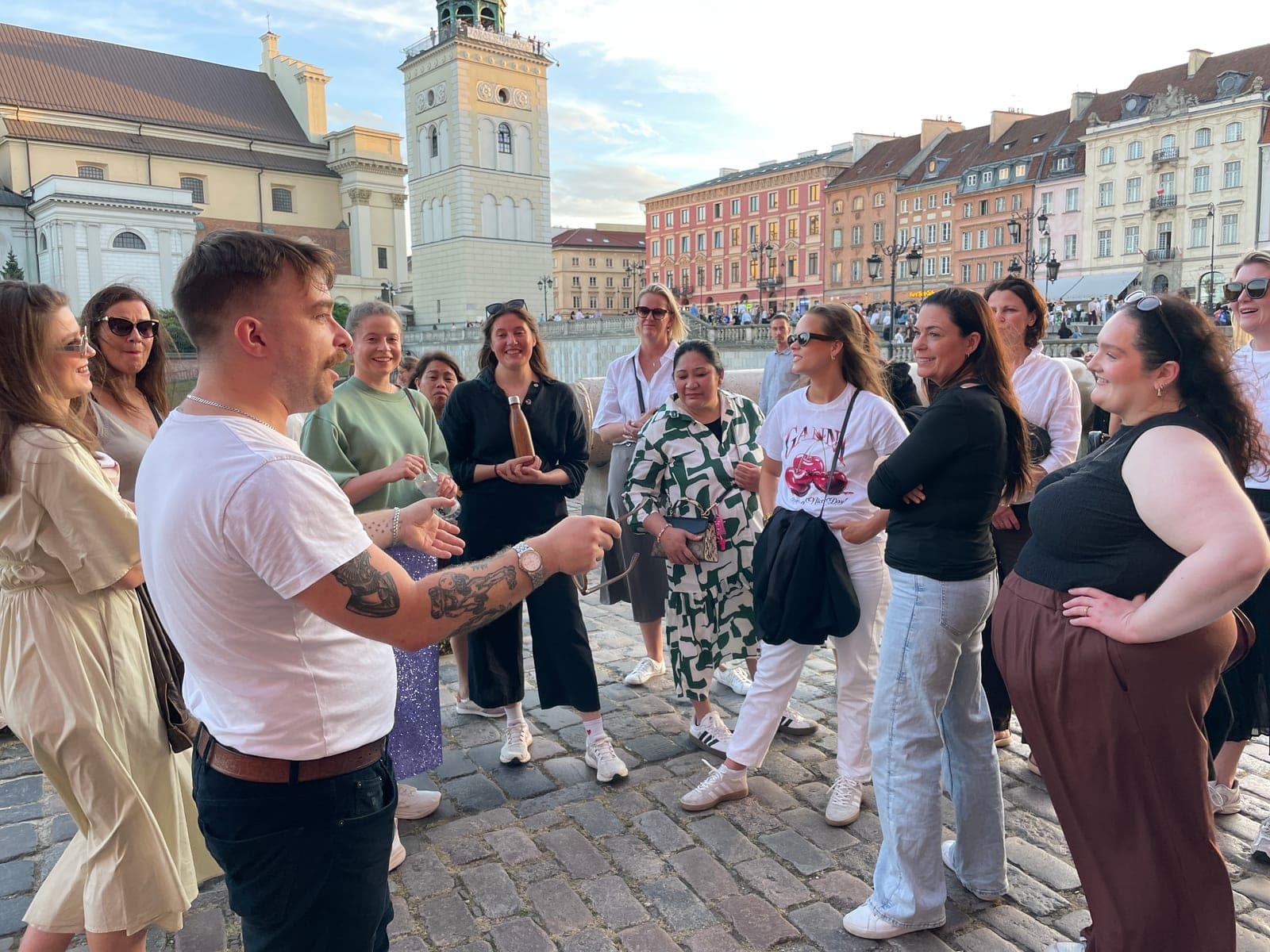
Warsaw’s Old Town is beautiful, reconstructed brick by brick after being levelled in 1944, and a UNESCO World Heritage site. It is also the worst place in the city to eat a normal meal. Three hundred meters in any direction from Castle Square will hand you chalkboard menus in five languages, photos of pierogi on the wall, and prices that would make a Pole laugh. But the Old Town is also where most visitors spend their first day, and there are a few genuinely good spots tucked into the gaps if you know where to look. Here is the honest map.
First: what to avoid, and why
The classic Old Town tourist trap follows a pattern. You’ll know it when you see it: large illustrated menu boards outside, English as the default language, staff aggressively inviting you in, prices roughly double what you’d pay 200 metres south. The food is usually not bad, exactly. It’s just expensive, average, and designed for one-shot customers who won’t come back.
The places to be most cautious about cluster along Świętojańska, the main pedestrian strip between Castle Square and Old Town Market Square. They’re fine in a pinch. They’re not what Warsaw actually tastes like.
Spots inside the Old Town that are worth your time
U Fukiera (Rynek Starego Miasta 27)
On the Old Town Market Square, right where the tourist traps live, U Fukiera is the genuine article. A historic restaurant with roots going back to the 19th century, atmospheric interior, ambitious modern Polish cooking. Not cheap. Worth it for a special-occasion lunch.
Bazyliszek (Rynek Starego Miasta 5/7)
A Warsaw institution doing classic Polish dishes on the main square. Long, mixed reputation - it gets some tourist traffic but still cooks honestly. Order the kotlet schabowy or the gołąbki and you’ll get the real thing.
Polka (Świętojańska 2)
Just at the edge of the Old Town, Polka does Polish classics with a slightly modernised hand, in a warm interior. Fair prices for the location, and one of the few places on Świętojańska worth stopping into.
Restauracja Honoratka (Miodowa 14)
Just outside the Old Town walls on Miodowa, but close enough to count. Old-Warsaw atmosphere, properly cooked Polish food, prices that don’t insult you. The żurek and the schabowy are both reliable.
Walk five minutes south, and everything changes
The single best move for a Warsaw visitor is to take any street leading south or west out of the Old Town, walk for five to ten minutes, and eat there instead. The prices drop, the menu turns Polish, and you’re suddenly eating with locals.
- Krakowskie Przedmieście and Nowy Świat: the long grand street heading south from Castle Square. Touristy at the top, normal Warsaw the further you walk. Worth wandering for cafés and bistros.
- Powiśle: drop down toward the Vistula. The neighbourhood between the Old Town and the river has become one of the best food districts in Warsaw, with serious cocktail bars and restaurants doing modern Polish food at honest prices.
- The Mirowska / Hala Koszyki belt: a 10-minute walk south brings you to the main market hall area and the best food halls in the city. Full breakdown in our food halls guide.
- Across the river to Praga: a 10-minute tram ride, and you’re in the part of Warsaw that wasn’t flattened in 1944. Real prices, real food. The Praga guide walks the whole district.
A few rules of thumb
- If the menu is in five languages, walk.Locals don’t need translations. A Polish menu with English on the side is fine. Five languages plus photos is a flashing warning sign.
- Watch the door staff. If someone is standing outside actively inviting tourists in, the restaurant has a business model and that model is volume, not quality. Real Polish restaurants don’t need to fish for customers.
- Look at the lunch crowd. Between 12 and 2, good restaurants fill with Poles in work clothes eating obiad. If a place is half-empty at lunchtime, that’s the locals voting with their feet.
- Cash is normal. Even the cheaper good Polish restaurants sometimes prefer cash, and the savings vs. the Old Town tourist traps are easily 30 to 50 percent.
If you want one solid Old Town lunch and one real meal
The shortcut most visitors use: one meal in the Old Town for the atmosphere (pick from the worth-your-time list above), then the rest of the food in the real neighbourhoods. That’s how we build our food tour too. We start in the Old Town for context (you cannot skip Castle Square if it’s your first time in Warsaw) and walk you out to where the city actually eats - milk bars, modern Polish kitchens, the kind of pierogi spot that hasn’t hung a chalkboard outside in 30 years. The Old Town is the photograph. The rest is the meal.

Warsaw guide who's been showing visitors the city's real food scene for three years. Spends Sundays at Hala Mirowska, weeknights chasing the city's best żurek.
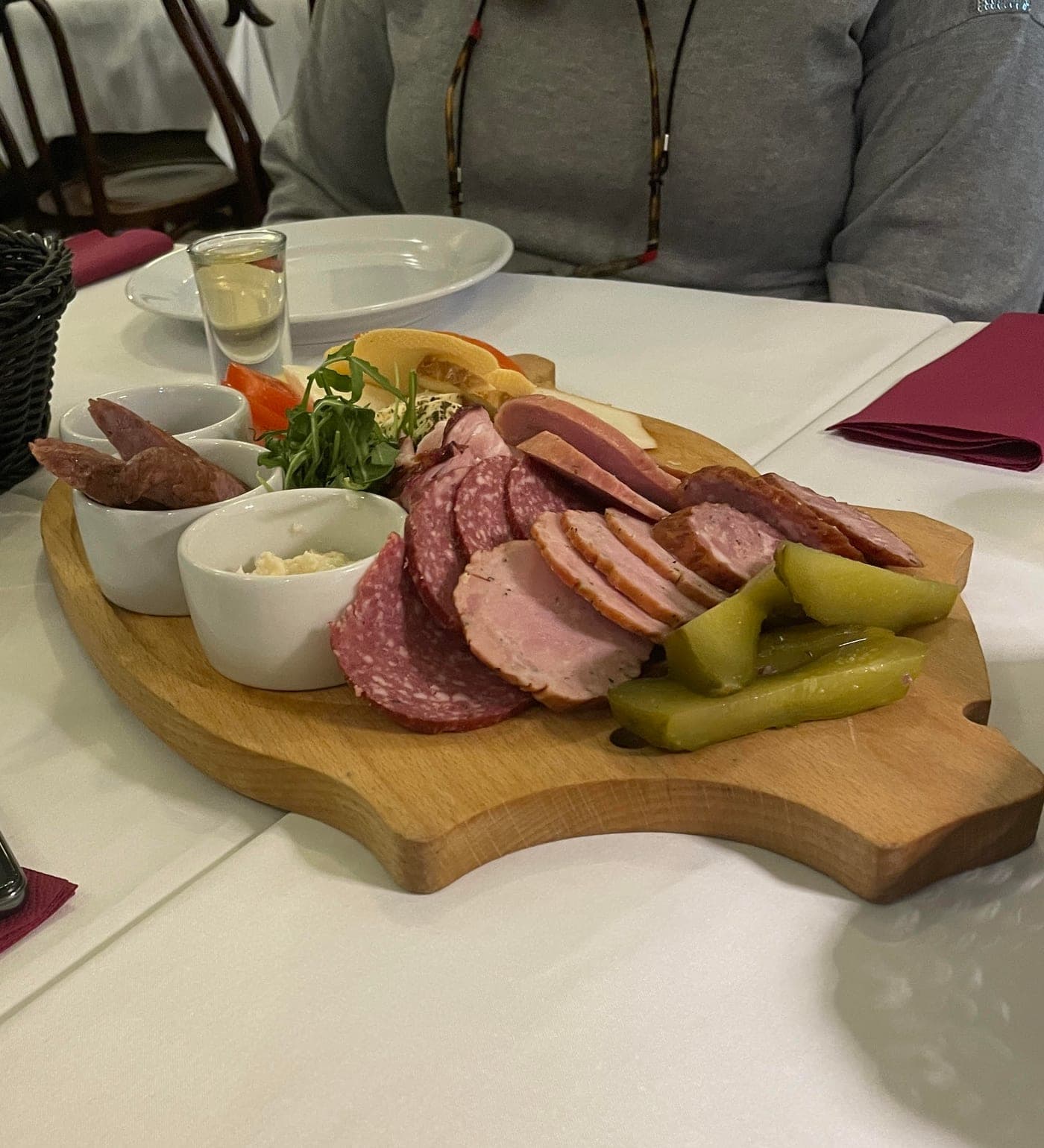
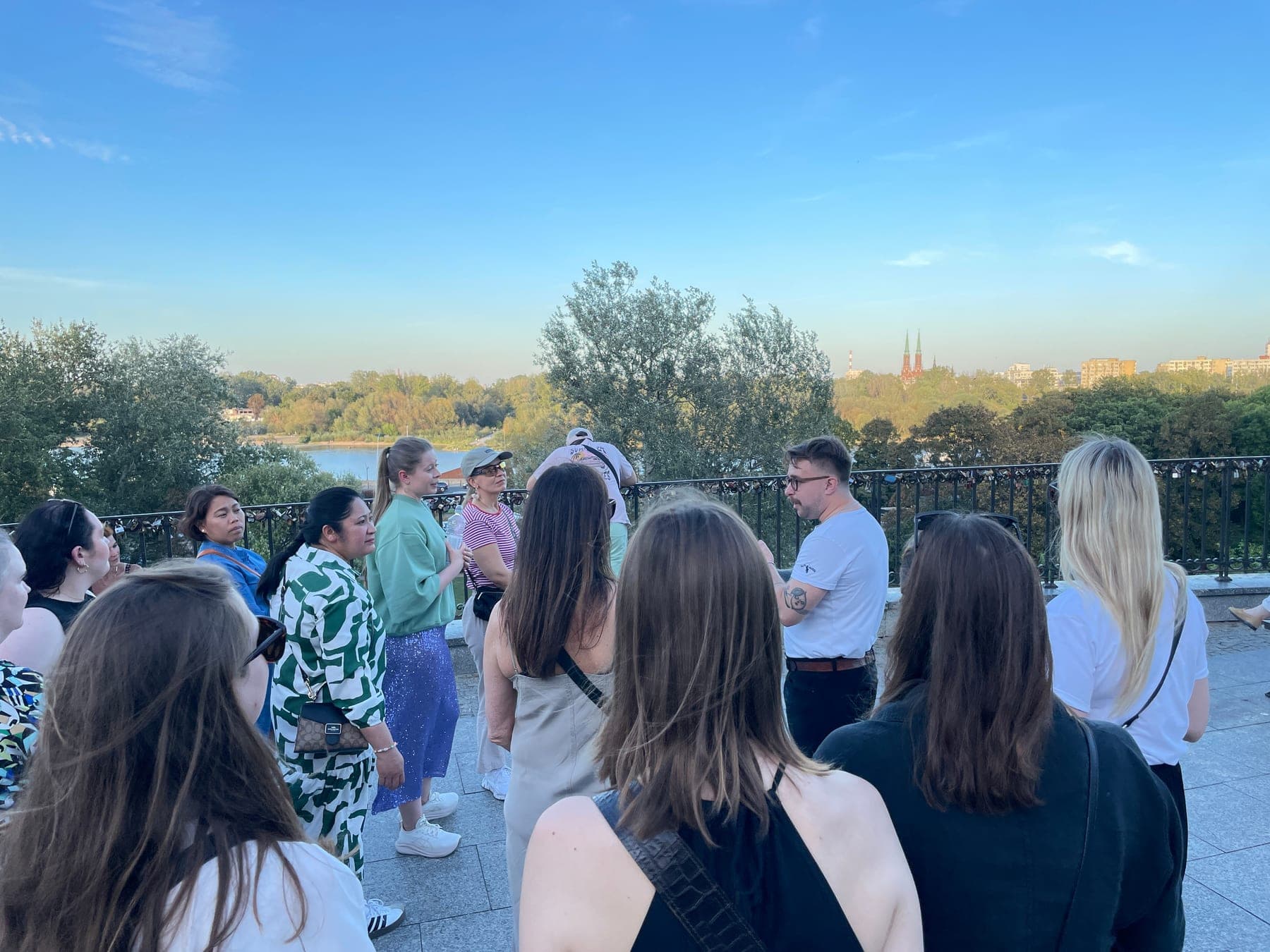
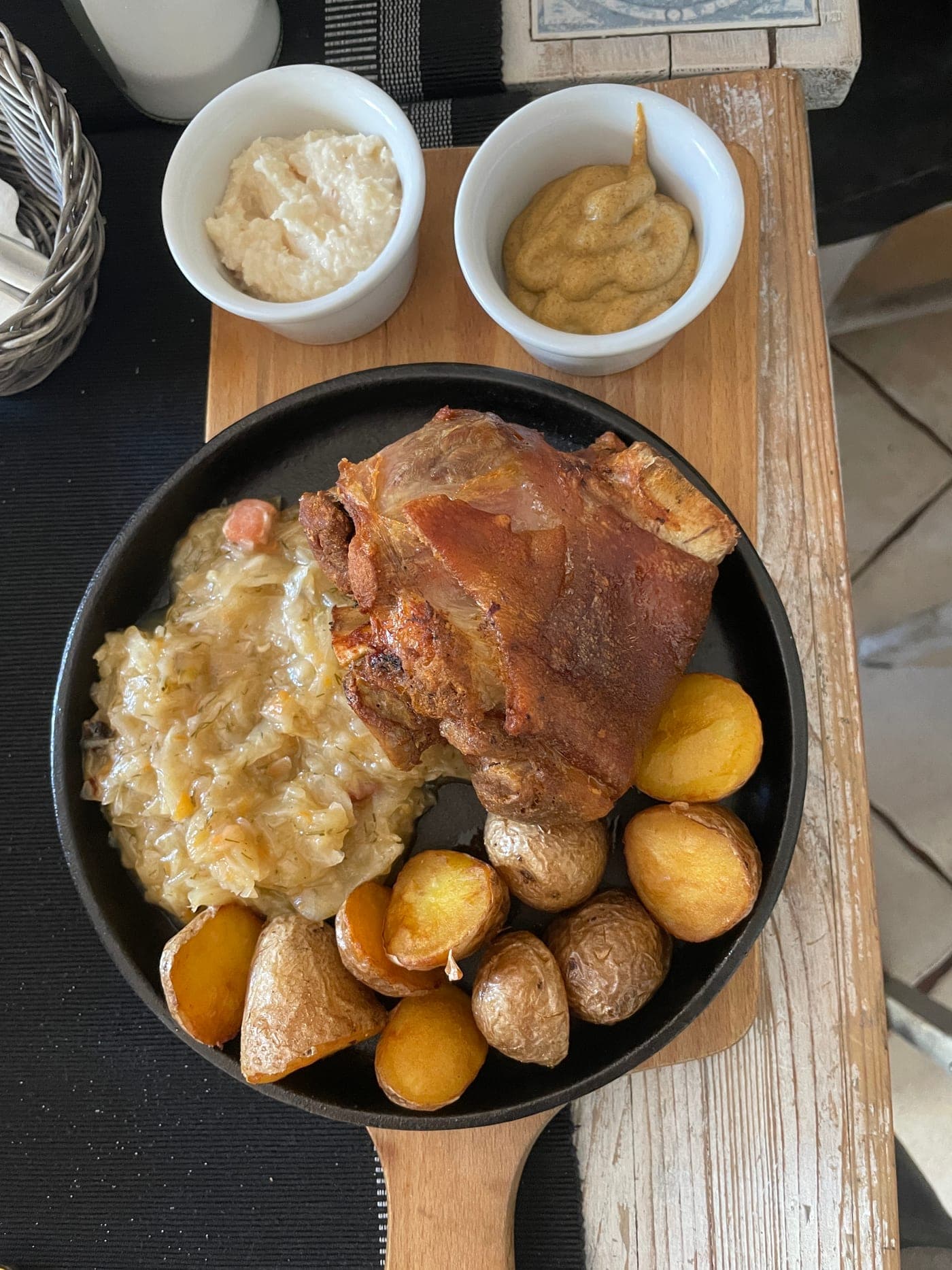
Hungry yet?
Eat your way through this list with someone who knows the city. Small groups, real spots, no tourist traps.