Polish Vodka: The 4 Real Types and 13 Bottles Worth Knowing
Which Polish vodka is actually worth ordering? A Warsaw guide on rye vs potato, Żubrówka and the infusions, plus the 13 bottles to know and where to drink them.
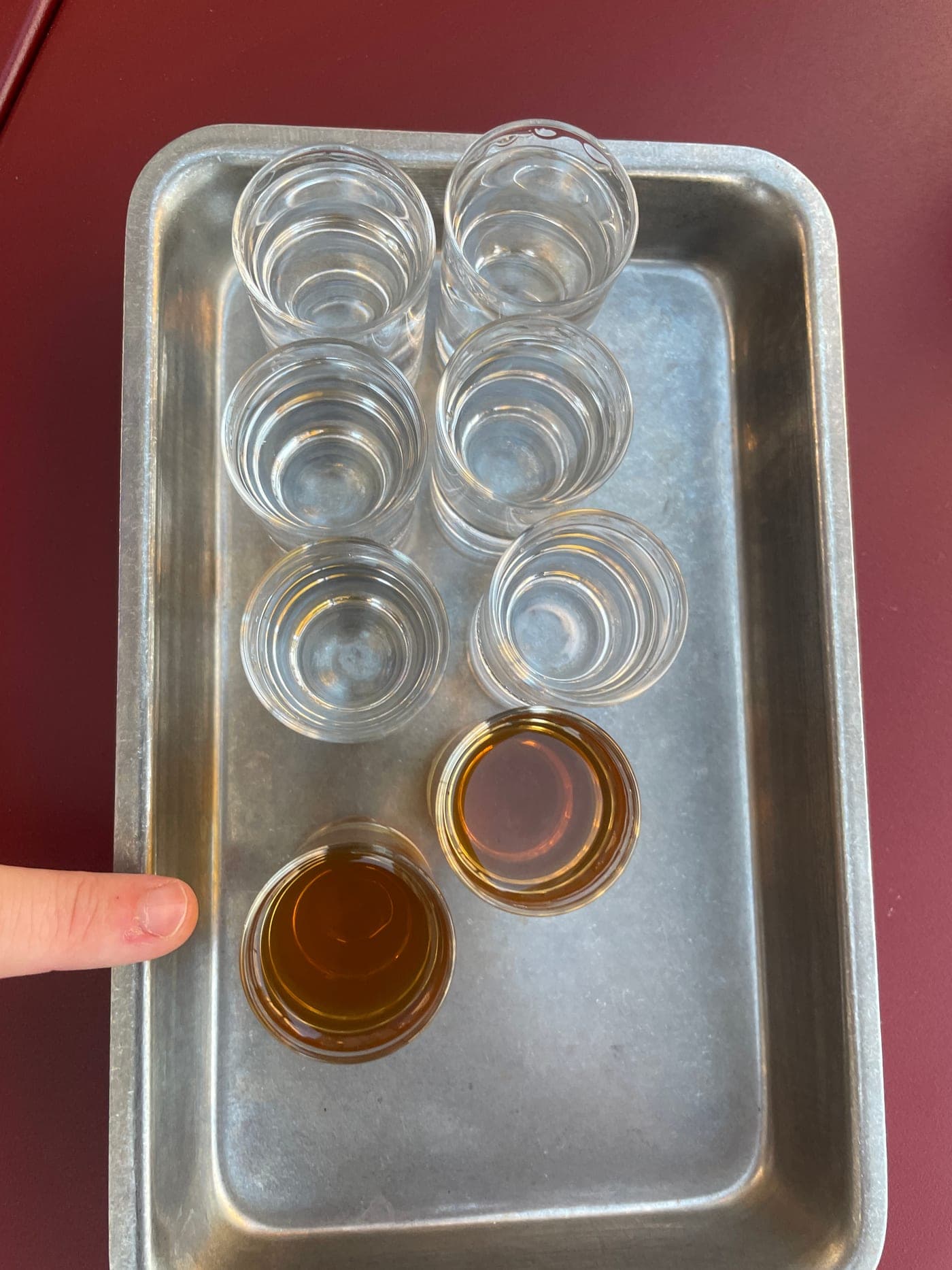
Most travelers leave Warsaw with one vodka story, and it’s the wrong one. They got handed a flavored shot in a tourist-trap bar near the Old Town, knocked it back warm, decided Polish vodka tastes like cough syrup. Here’s what they missed: Poland makes some of the best vodka on the planet, and almost none of it is meant to be slammed from a frozen plastic cup at 11pm.
This is the guide I give visitors who want to actually understand what they’re drinking. We’ll cover the four real categories of Polish vodka (rye, potato, herbal, aged), how to tell them apart, and how to drink them the way Poles do, which is slower and more carefully than the rest of the world assumes.
First, it’s wódka, not vodka
The word comes from woda, Polish for water. Wódka is the diminutive: little water. Poles and Russians have argued about who invented it for about 600 years. The earliest written reference to wódka in Polish documents is from 1405, in the Sandomierz court records. The Russian claim goes a bit later. Whoever won that fight, the result is that Poland today has one of the most developed traditions of grain spirit production anywhere.
In 2013, the EU formally recognized Polska Wódka as a protected category. To carry that label, the spirit must be made entirely in Poland, from Polish-grown rye, wheat, barley, oats, triticale or potatoes. That’s the line between real Polish vodka and the industrial stuff bottled anywhere with a Polish-looking name slapped on.
Rye vodka, the prestige base
If a Polish bartender hands you a glass and says "just try it clean," it’s almost certainly rye. Rye (żyto) is the most traditional grain for Polish vodka, and the one most premium producers go back to. You’ll find it has a hint of pepper and a slight bread-crust sweetness, with a long, dry finish.
The names to know: Belvedere (the most exported Polish rye, distilled from Dankowskie Złote rye, four-times distilled), Chopin Rye (single-grain, smaller producer, deeper character), and Wyborowa (the classic Polish mid-tier, the one your Polish uncle pours when guests come over).
How to drink it: straight, very cold, in a small chilled glass. No mixer, no chaser. Sip it like a good whisky and the bread notes show up after a few seconds on the tongue.
Potato vodka, the underdog turned premium
Potatoes only arrived in Poland in the 18th century, courtesy of King Augustus III who liked them at his Saxon court. Within a hundred years they were the staple crop of Polish peasants, and naturally, the cheap, plentiful base for home distillation. For most of the 1800s and 1900s, potato vodka was the working-class version. Rye was for the cities, potatoes for the village.
That hierarchy flipped maybe 25 years ago. Today, potato vodka is actually harder to make well (potatoes have less starch per kilo than grain, so you need a lot more raw material), and the best Polish potato vodkas are some of the most expensive spirits in the country.
The flavor is rounder and creamier than rye. Less pepper, more body, sometimes a faint sweetness that reminds you of buttered mash. Names worth knowing: Luksusowa (the everyday icon, widely exported), Chopin Potato (the cult one, served in good restaurants worldwide), and Vestal(a smaller producer making single-harvest potato vodkas, like wine vintages).
Side-by-side rye and potato is one of the great drinking exercises. It’s the first comparison we run on the Warsaw vodka tour, and most people can’t identify which is which on the first try.
Herbal and infused, the flavored category nobody warns you about
This is the category that gets foreigners in trouble, because "flavored vodka" in most of the world means industrial candy water. In Poland, infused vodkas have a 500-year history, and the good ones taste like ingredients, not syrup. Five names to learn:
Żubrówka (bison grass vodka)
The famous one, with a blade of bison grass in every bottle. The grass grows almost nowhere outside the Białowieża primeval forest in eastern Poland, where European bison live, hence the name. Tastes herbaceous, slightly grassy, with vanilla and almond notes from the coumarin compound in the grass. The classic Polish summer drink is tatanka: Żubrówka with cold cloudy apple juice. Don’t knock it until you’ve had it on a 30 degree afternoon by the Vistula.
Pieprzówka (pepper vodka)
Infused with black pepper, sometimes other spices. Polish folk medicine for centuries, used to settle bad stomachs and chase off winter colds. Tastes exactly like it sounds: warming, peppery, with a slow burn. Order it after a heavy meal of golonka or bigos.
Miodówka (honey vodka)
Sweetened with real honey, sometimes blended with linden or buckwheat varieties. Smoother than you expect, dangerous because it goes down too easy. The best ones come from small producers in the northeast.
Wiśniówka (cherry vodka)
Sour cherry vodka, made by macerating fresh cherries in spirit for weeks. Deep red, tart, almost wine-like. Often served as a digestif after dessert. Wiśniówka domowa, the homemade version, is the one your Polish host will pull out around midnight.
Malinówka (raspberry vodka)
Same idea, raspberries instead of cherries. Brighter, more floral. Beloved in summer cocktails and as a base for spritzes.
The thing all of these have in common: they’re infused, not flavored. The fruit, herb or honey goes into the bottle and stays there. You’re drinking the actual ingredient, not its flavoring compound. That’s why they taste like food and not like a candy shop.
Aged vodka, the newest category
For most of vodka’s history, the whole point was clean and clear. Then around 2010 a few Polish distillers started experimenting with what happens if you put high-quality rye spirit into oak barrels for a year or three. The result is something between vodka and whisky: still recognisably grain-based, but with the vanilla, spice and amber color that wood gives.
Names worth tasting: Starka (the original aged Polish spirit, with documented production going back to the 16th century, traditionally aged in old wine barrels), Belvedere Heritage 176 (rye aged with malted rye for richer flavor), and a handful of small craft producers releasing single-cask bottlings in tiny runs.
Drink aged vodka the way you’d drink a single malt. Small glass, room temperature or only slightly chilled, sipped not shot. The whole point is the wood and the slow burn.
How to drink vodka the Polish way
The rules are simple and Poles take them seriously enough that breaking them in front of an older Polish person is genuinely rude.
- Cold. Bottle out of the freezer, glass from the fridge. Room-temperature vodka is for cocktail bars in places that don’t know better.
- Small glass. 25 to 50ml. A proper Polish kieliszek is barely bigger than a thimble. The point is to taste, not to chug.
- With zakąski. Never drink vodka on an empty stomach. Pickled herring, dill cucumbers, smoked sausage, dark bread, lard with crackling: any of these are correct.
- Toast first. The standard is na zdrowie (to health). For something fancier: sto lat (a hundred years). For something dark: no to chlup (well, plop).
- Down in one if shot, sipped if premium. The cheap clean stuff and the flavored shots get knocked back. Single-grain rye, aged vodka and the prestige potato bottles get sipped.
- Eat between shots. The zakąski aren’t decorative, they’re engineering. Every shot is followed by something fatty or salty. This is how Poles drink for six hours without falling over.
Where to actually drink vodka in Warsaw
Skip the shot bars on Krakowskie Przedmieście and Nowy Świat with the chalkboards in five languages. They exist for stag parties. For real vodka places, try:
- Wódka Café Bar (Mazowiecka 9): old-school interior, hundreds of bottles on the shelf, properly chilled glasses. The kind of place a Polish grandfather would approve of.
- Polskie Smaki: a handful of locations across Warsaw doing serious Polish food and a proper vodka menu, with flights and tasting notes.
- Pijalnia Wódki i Piwa: a chain, but a Warsaw institution. Cheap shots, hard wooden interiors, herring sandwiches on the counter, no fuss. Locals end nights here.
- The Polish Vodka Museum (Koneser, Praga): in the actual historic distillery where Luksusowa and Wyborowa were made. Tour plus tasting flight. Worth the trip across the river, and a natural stop after the Praga Cultural Tour.
If you want the proper introduction
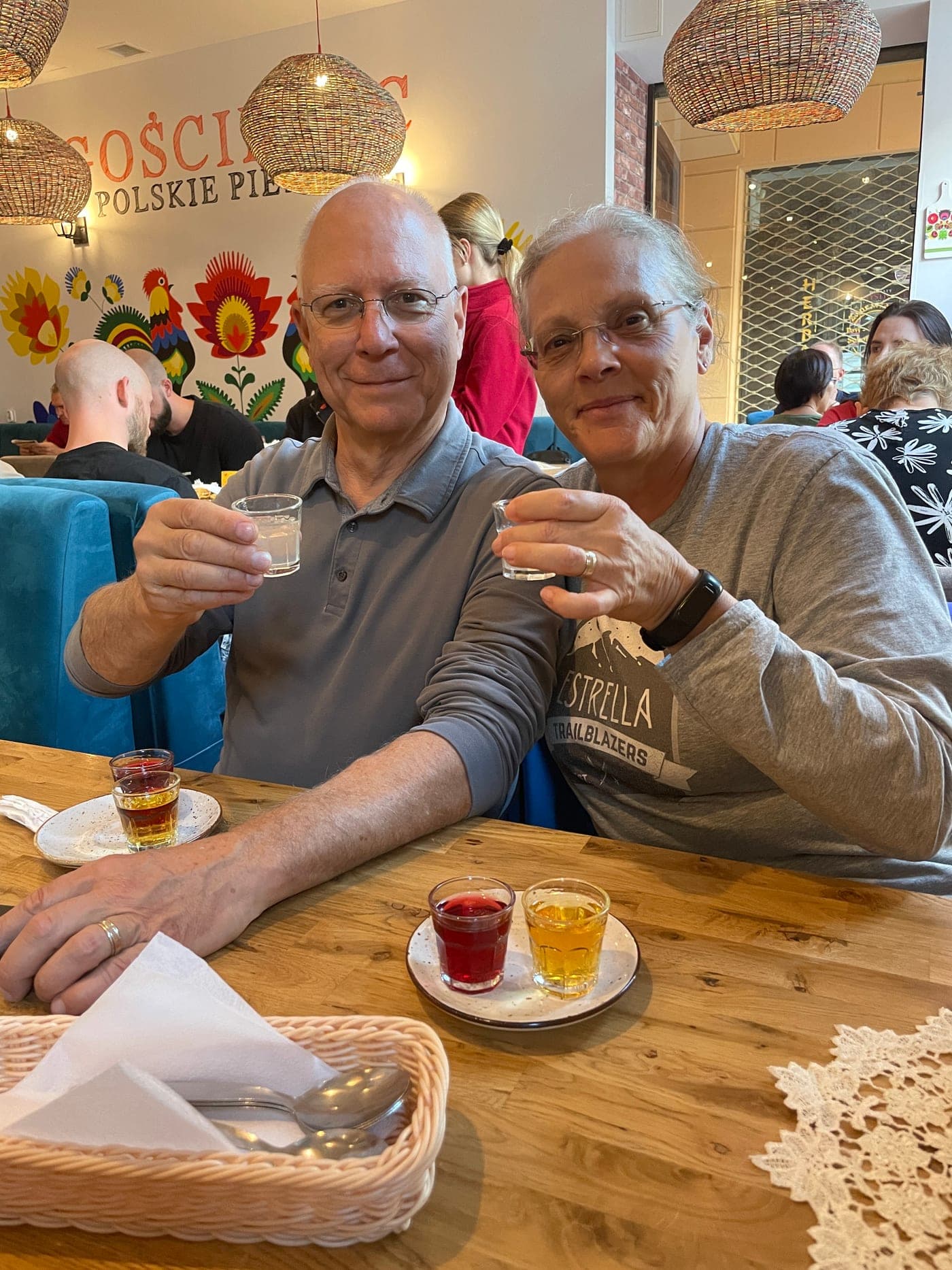
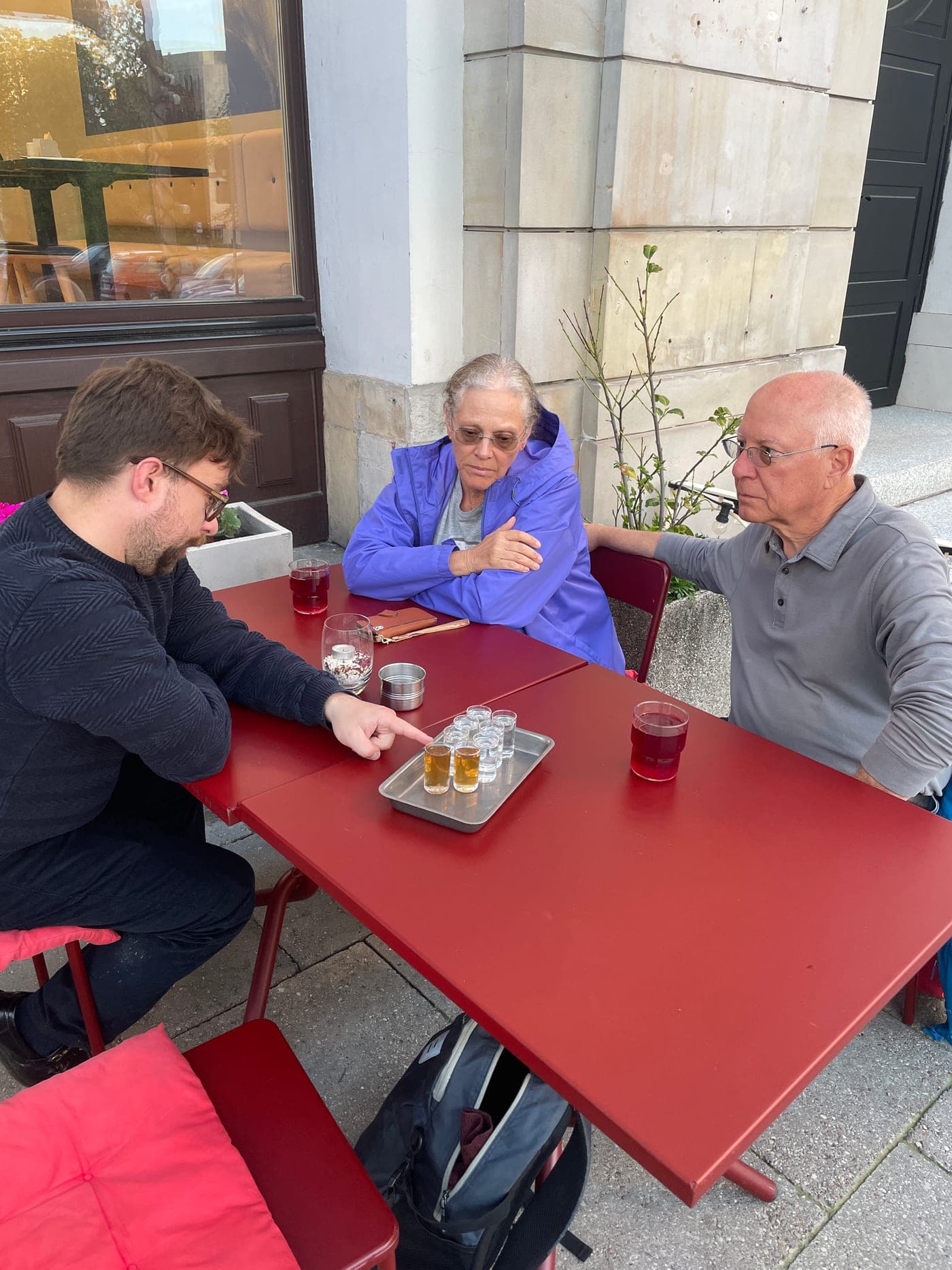
Reading about vodka is one thing. Tasting six in a row, side by side, with someone who can explain what you’re drinking and feed you the right zakąski between sips, is another. Our Polish Vodka Tour runs in groups of max 8, covers rye versus potato, herbal versus aged, with proper Polish appetizers paired to each, in real locals’ bars (not tourist traps). 3 hours, twelve-plus tastings, one honest history lesson. Most people leave knowing why Poles say wódka, and why it’s never been just a drink.

Warsaw guide who's been showing visitors the city's real food scene for three years. Spends Sundays at Hala Mirowska, weeknights chasing the city's best żurek.

Hungry yet?
Eat your way through this list with someone who knows the city. Small groups, real spots, no tourist traps.