Bar Mleczny: A Guide to Warsaw’s Milk Bars (And How to Order)
Cheap, hot, honest Polish food in a communist-era canteen that somehow still exists. A Warsaw guide explains what a milk bar is, how to order without speaking Polish, and which ones to actually visit.
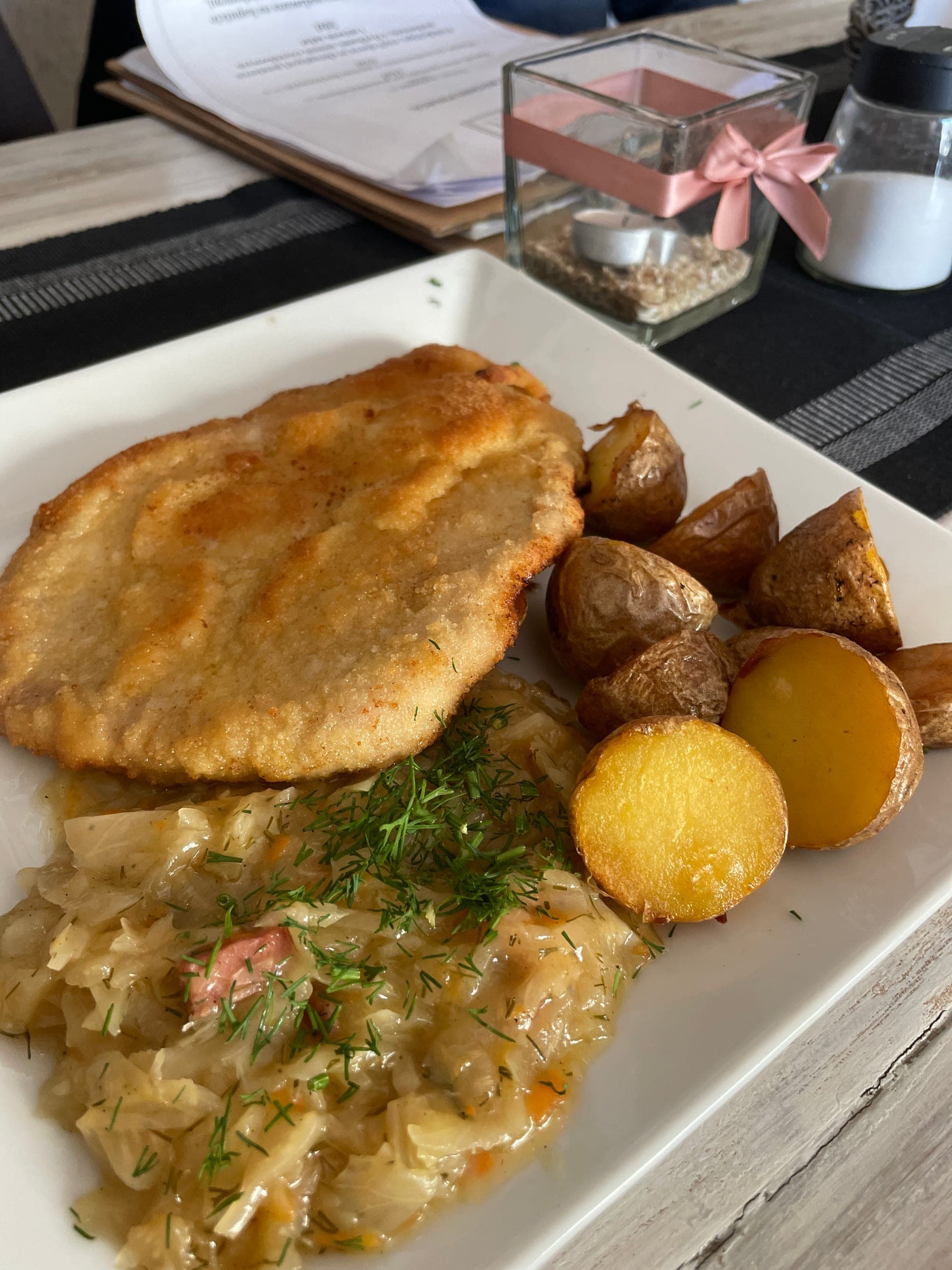
There’s a kind of restaurant in Poland that shouldn’t still exist, and thank god it does. The bar mleczny, literally the milk bar, is a relic of the communist era: a state-subsidised canteen built to feed workers cheap, hot, honest food. Most countries scrapped their equivalents decades ago. Poland kept hundreds of them, still subsidised, still cheap, still serving the food your Polish grandmother would recognise. They are the single best place to eat in Warsaw if you want to understand how the city actually eats.
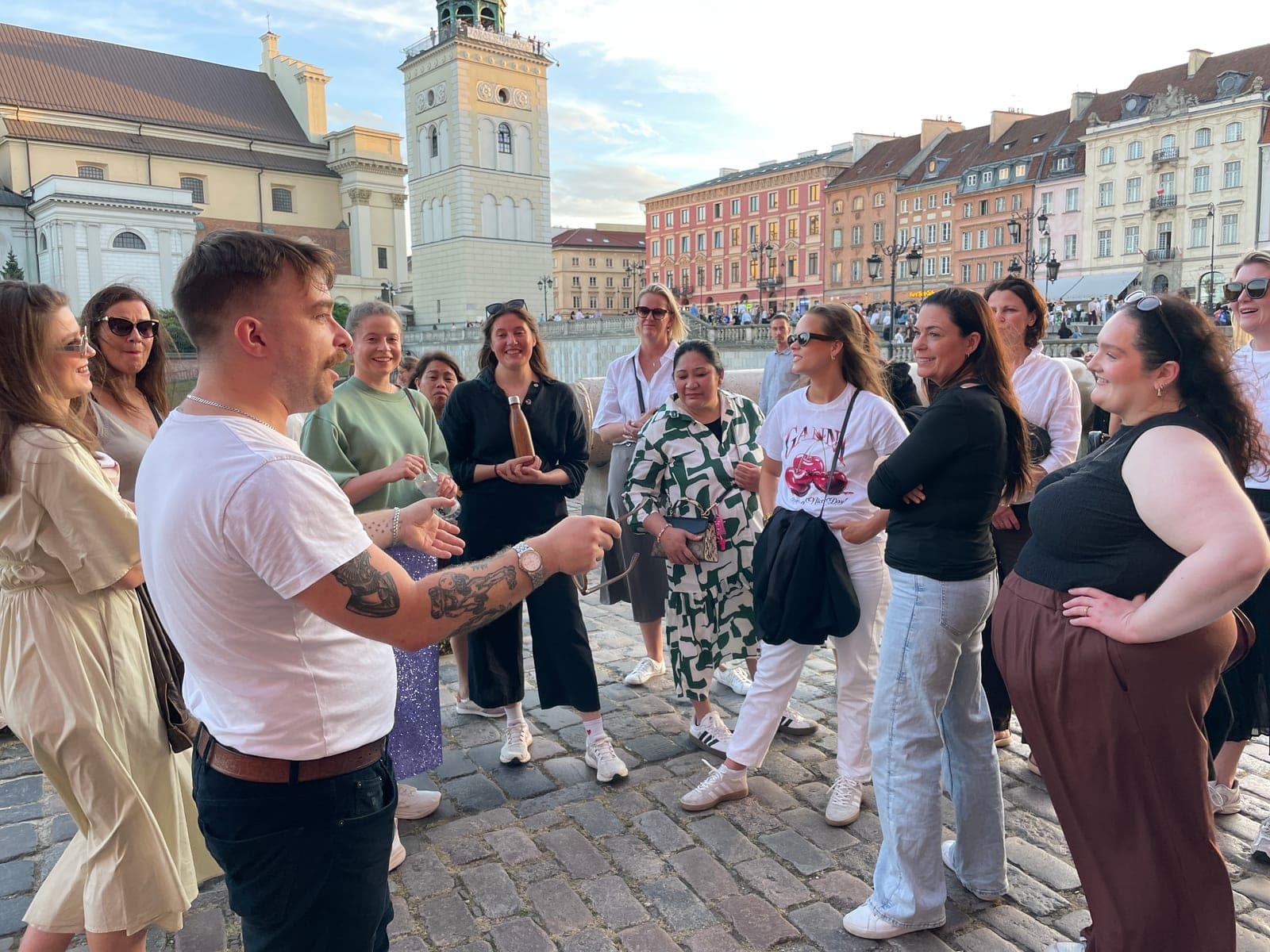
I take visitors to milk bars on almost every Warsaw food tour I run, and the reaction is always the same: confusion, then delight. Here’s everything you need to walk into one and order like you belong.
What a milk bar actually is
The name comes from the original menus, which leaned heavily on dairy: the first milk bar opened in Warsaw in 1896, serving cheap meals built around milk, eggs and flour because meat was expensive. Under communism, from the late 1940s onward, the state turned them into a nationwide network of subsidised canteens. The idea was simple: every worker, student and pensioner should be able to afford a hot meal.
After 1989, when Poland went capitalist almost overnight, most people expected the milk bars to die. Some did. But the government kept subsidising the survivors, and they became something unexpected: a link to the past, a cheap lunch for students and pensioners, and eventually a slightly ironic favourite of young Varsovians who grew up on them. Today a milk bar meal still costs a fraction of a restaurant, and the food, if anything, has gotten better.
How to order (the part that scares people)
Here’s the thing that throws foreigners: a classic milk bar has no table service, no English menu, and often a queue of regulars who know exactly what they want. The system:
- Read the board. The menu is on the wall, usually handwritten or on a backlit panel, in Polish only. Prices are next to each dish. Translate the basics in advance (see below) or use your phone camera.
- Order and pay at the counter or cashier first. In older bars you tell the cashier your order, pay, and get a receipt or token.
- Hand the receipt to the kitchen window. Then wait for your number or your dish to be called. There’s often a second window for soups and a third for drinks.
- Clear your own tray. Bus your dishes to the return window when you’re done. This is not optional and the babcia running the place will notice.
It moves fast and nobody is there to coddle you. Embrace it. The brisk impersonality is half the charm.
The menu, decoded
Learn these dozen words and you can order anything in any milk bar in Poland:
- Zupa - soup. Żurek (sour rye), rosół (chicken broth), pomidorowa (tomato), krupnik (barley).
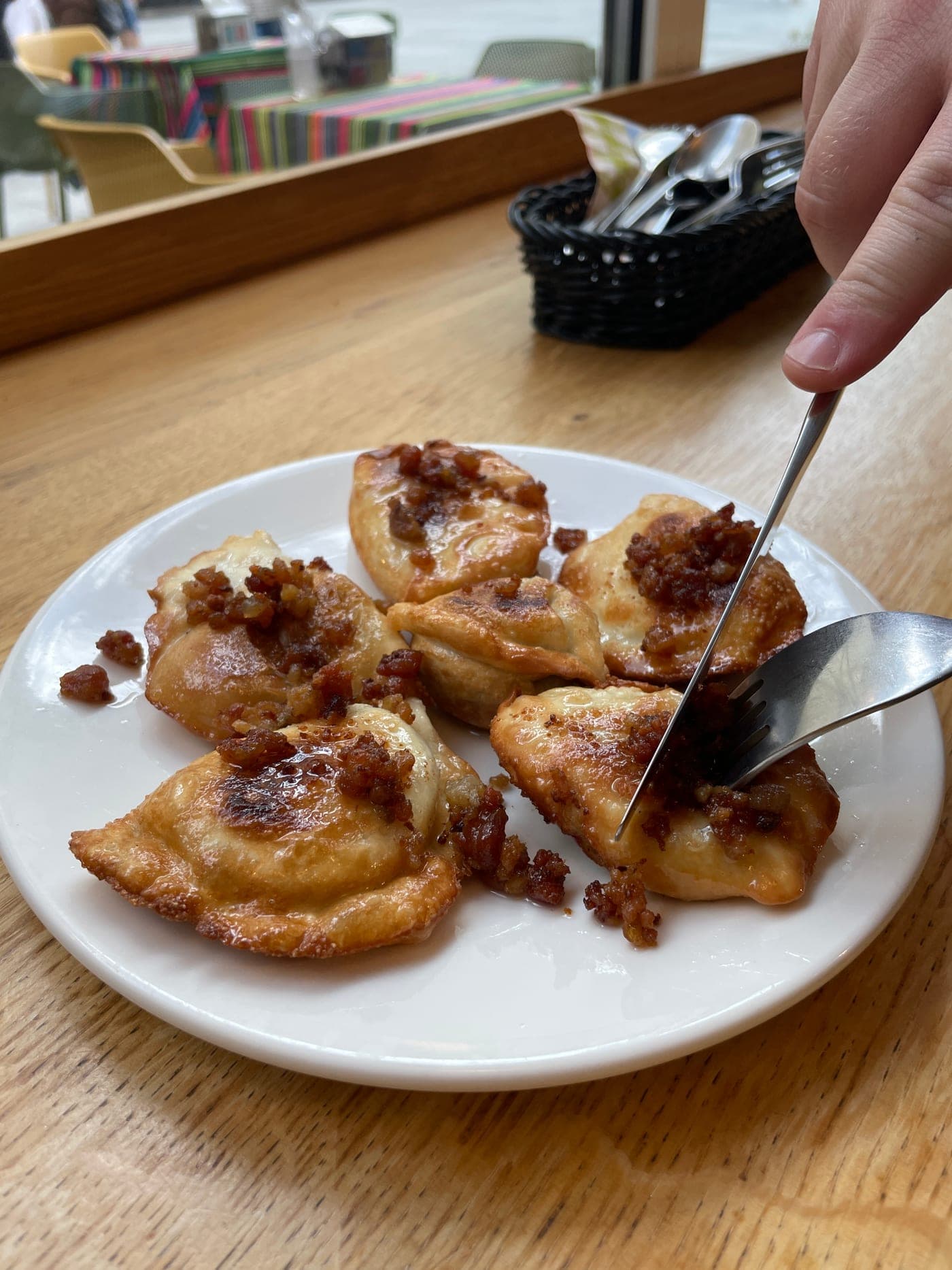
- Pierogi - dumplings. Ruskie (potato and cheese), z mięsem (meat), z kapustą(cabbage).
- Naleśniki - crepes, sweet or savoury.
- Placki ziemniaczane - potato pancakes.
- Kotlet schabowy - breaded pork cutlet.
- Gołąbki - stuffed cabbage rolls.
- Kasza / ryż / ziemniaki - groats / rice / potatoes, the usual sides.
- Surówka - raw vegetable salad, the fresh thing on an otherwise heavy plate.
- Kompot - the house drink: stewed-fruit water, lightly sweet, always good.
The Warsaw milk bars worth your time
Bar Bambino (Krucza 21)
The textbook Warsaw milk bar, open since 1962, fluorescent and unrepentant. Huge menu, tiny prices, always busy at lunch. If you go to one milk bar in Warsaw, go here. The żurek and the naleśniki are both excellent.
Prasowy (Marszałkowska 10/16)
A legend. Named for the journalists who used to eat here, Prasowy was nearly closed in 2011, saved by public outcry, and reopened with a slightly hip redesign that kept the spirit intact. Now beloved by students and creatives. Great pierogi, good vibe.
Bar Mleczny Familijny (Nowy Świat 39)
Right on the city’s grandest shopping street, which makes the prices feel almost absurd. A proper old-school spot surrounded by expensive cafés. The contrast is the point.
Złota Kurka (Marszałkowska 55/73)
A bit newer, a bit cleaner, but still genuinely cheap and genuinely Polish. Good entry point if the rawest old-school bars feel intimidating.
A few unwritten rules
- Cash is king. Many milk bars still don’t take cards, or charge a minimum. Bring small notes and coins.
- Don’t linger forever. Milk bars are for eating, not for working on your laptop over a three-hour coffee. Eat, clear your tray, free the table.
- Go at lunch. The food is freshest between noon and 2pm when turnover is highest. Some bars close by mid- afternoon.
- Don’t expect a smile. The service is brisk to the point of gruff. It’s not rudeness, it’s efficiency. The food is the warmth.
Where this fits on a food tour
A milk bar is always one of the first stops on our Warsaw food tour, because it sets up everything that comes after: this is the baseline, the everyday Polish plate, the food that fed the city through its hardest decades. Once you’ve had żurek and naleśniki standing at a milk bar counter, the rest of Polish cuisine makes more sense. If you want the full picture of what to eat beyond the milk bar, start with our guide to 20 Polish dishes.
Guide and storyteller behind Tasty Trails' food and Praga tours. Equal parts historian and eater, happiest somewhere between a milk bar and a vodka museum.
Hungry yet?
Eat your way through this list with someone who knows the city. Small groups, real spots, no tourist traps.